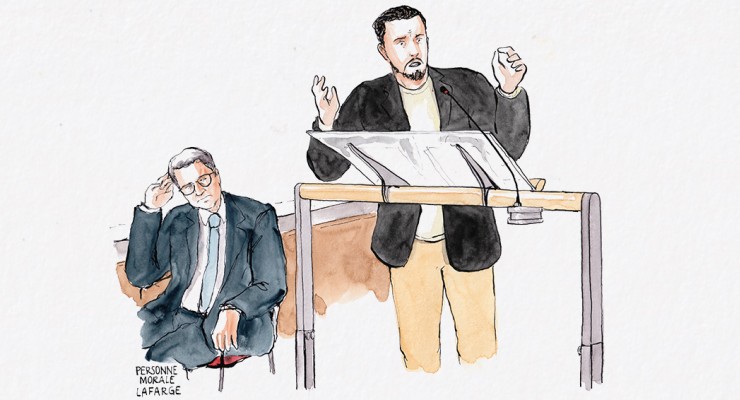
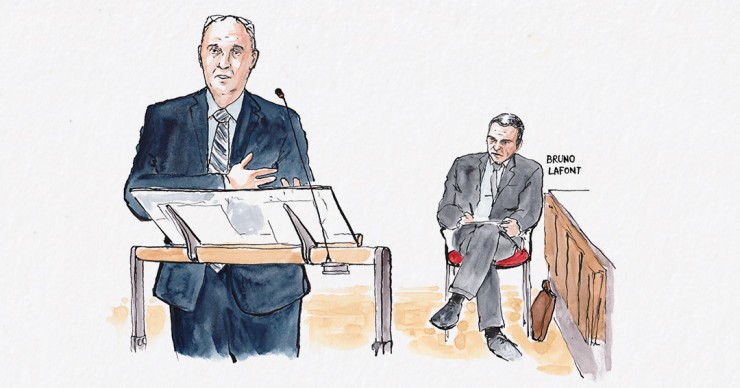
Initiated in November 2016 by eleven former Syrian employees of Lafarge, with the support of Sherpa and ECCHR, the case brought their lived experiences and personal risks to the forefront of the scandal. The trial, held at the end of 2025, lasted more than six weeks and featured powerful testimony from around a dozen former Syrian employees, part of a group that has now grown to more than 190 plaintiffs. It als included accounts from members of the Yezidi community, targeted in a genocide by the Islamic State (ISIS), as well as survivors of the November 13, 2015 Paris attacks by IS.
In their summary of the verdict, the judges told a packed courtroom that these testimonies had been delivered with “strength, precision, dignity and humanity”. However, the court ruled that the Syrian plaintiffs were not entitled to compensation, upholding the Supreme Courts earlier finding that individuals cannot qualify as victims of terrorism financing.
"Lafarge was aware of what was happening to us – the checkpoints, the threats, the daily fear – but chose to risk the lives of its employees for profit. We, as former Lafarge employees who testified and on behalf of a large number of former colleagues, each have a different story of suffering, but we are united in our trust in the justice system of France and the certainty that what we endured will not go unpunished. We may feel disappointed now, but after ten years, and although we are still without compensation or recognition of our suffering, we will not give up and will continue to demand our rights and the justice we deserve", said former Lafarge employees, including some who testified at the trial.
Despite this setback, which will continue to be litigated, yesterday’s verdict still marks a symbolic victory. Through their testimonies, the Syrian plaintiffs helped reshape legal thinking on corporate responsibility in conflict zones and kept their experiences at the center of the proceedings. They also succeeded in challenging Lafarge’s claim that payments to armed groups were made solely to protect its employees.
|